東欧・バルカン半島のワむン旅クロアチアの䞻芁ワむナリヌず葡萄品皮マップ

Croatian cuisine

🇯🇵 → 🇭🇷 Culinary Guide

A Croatian Culinary Journey: From the Golden Land to the Adriatic Sea

Welcome to the culinary world of Croatia, a country where geography dictates the dishes served.


Croatia is a small country that can be crossed in a day, yet its culinary culture is surprisingly diverse. From paprika-scented stews of the eastern plains to truffle forests of the north and sun-drenched seafood of the coast, regional identities are condensed into each dish. Let us introduce you to the charm of Croatian cuisine, which will appeal even to the refined palates of Japanese people.

Paprika and Slavonian cuisine

01

Slavonia — The Golden Breadland

Slavonia, a fertile plain in eastern Croatia, boasts cuisine influenced by Austria-Hungary and the Ottoman Empire, characterized by its robust and spicy flavors. It features a deep red color, often achieved through the generous use of high-quality paprika.

A must-try dish: Fiš-paprikaš — a spicy stew of river fish. This dish is packed with the spiciness and umami of paprika.

A great souvenir: Kulen – a premium spicy fermented sausage. A traditional delicacy considered a source of pride for Slavonia.

02

Zagorie - Comfort Food for the Mountains

As you travel from the central region towards the northern Zagorje area, the spiciness gives way to creamy and gentle flavors. Life in the cool hilly regions requires calories, which is the origin of many warm dishes made with dairy products and dough.

Signature dish: Štrukli — A traditional dish consisting of a thin dough wrapped around cottage cheese, sour cream, and egg. Available in both baked and boiled versions, it has a familiar appeal similar to Japanese gyoza or crepes.

💡Fun fact: In Zagreb restaurants, Štrukli is often served as an appetizer. It's simple, but once you try it, you'll never forget the taste.

Traditional dishes of Zagorie
Istria truffle pasta

03

Istria — A paradise of truffles and olive oil

The Istrian Peninsula is a unique gastronomic region that combines Italian influences with the robust spirit of Slavic culture. Its two main stars are the white and black truffles harvested from the Motovun forest and its world-renowned olive oil.

A must-try dish: FuÅŸi – a dish of hand-rolled pasta served with truffle sauce or wild asparagus. It combines the rustic charm of Japanese handmade udon noodles with a touch of luxury.

A recommendation for Japanese people: Istria olive oil is of world-class quality. Buying a bottle as a souvenir will elevate your home cooking to the next level.

04

Dalmatia — Simplicity by the Sea

The Dalmatian region along the Adriatic Sea embodies the purest form of Mediterranean cuisine: fresh grilled fish, chard (britova), and olive oil, often called "liquid gold"—simple cooking methods that bring out the best in the ingredients.

Cooking style: Gradele (charcoal grilling) and Lešo (boiling with vegetables) are standard. You'll be surprised by the similarities with Japanese cuisine in that it "brings out the best in the ingredients."

🐟Tips for Japanese people: If you order the "fish of the day" at a coastal restaurant, you're guaranteed to find the best dish of the day. Their passion for freshness is the same as in Japan.

Fresh seafood dishes from Dalmatia
Croatian home garden

05

"Domache" culture — Homemade is best

In Croatia, "organic" is not a marketing term, but a perfectly normal way of life. "Domaće" (home-grown/homemade) is considered the highest standard for food.

Outside of major cities, almost every household has a vegetable garden called a "Vrt," and the menu for meals is determined by the seasonal harvest.

This culture, which is very similar to the Japanese concept of "seasonal" food, is something that Japanese travelers will likely find deeply relatable.

06

Meat preservation culture — the art of pull chute and smoking

Winter in Croatia is "pig season." In the north, meat is smoked in dedicated smokehouses, while in the south, the fierce northerly winds known as "Bura" are used to naturally dry Pršut (Dalmatian cured ham).

This is not just food processing; it's also a social event where local residents gather, rub in salt, and wait for months for the product to be completed.

Similarities with Japan: Just like in Japan, where dried fish and miso are prepared, Croatia also has a culture of deepening flavors by utilizing time and the power of nature.

Traditional Croatian meat preservation
Croatian wine and rakia

07

Wine and Rakia — A Liquid Heritage

When discussing Croatian culture, the "Podrum" (wine cellar) is an essential element. From the refreshing white wine "Graševina" from Slavonia to the deep red wine "Plavac Mali" from the islands, wine is a staple at the dinner table.

Rakija: This fruit brandy is the true social glue. With a wide variety of flavors including plum (slivovitsa), herb (travalitsa), and mistletoe (bisca), it is considered a "cure-all" for everything from colds to low spirits.

When you visit a Croatian home, you'll usually be served rakija first. It's a culture of hospitality similar to the Japanese concept of "omotenashi."

08

Peka — The Holy Iron Bell

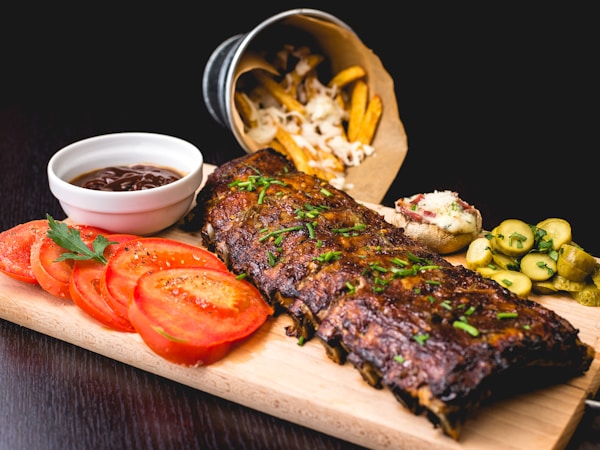
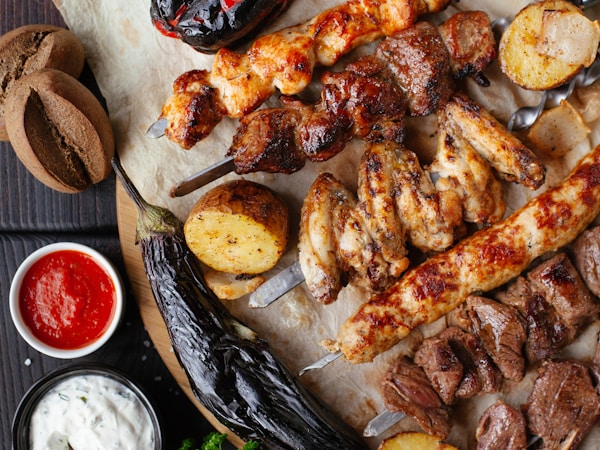
The most iconic cooking method in Croatian cuisine is "Peka." Meat (usually lamb or octopus) and potatoes are placed in a shallow dish, covered with a heavy, dome-shaped iron lid, and then burning charcoal is placed on top.

This hybrid roasting and steaming method makes the meat so tender it falls right off the bone.

⚠Please note: Peka takes 2-3 hours to prepare, so many restaurants require advance reservations. Walk-ins on the day are often unable to get it, so be sure to make a reservation at least one day in advance!

Peka cuisine
Traditional Croatian sweets

09

Sweet traditions — regional desserts

Croatian desserts also vary in style depending on the region.

Northern region: Kremšnita – a custard cream cake. The town of Samobor is famous as the mecca of this cake.

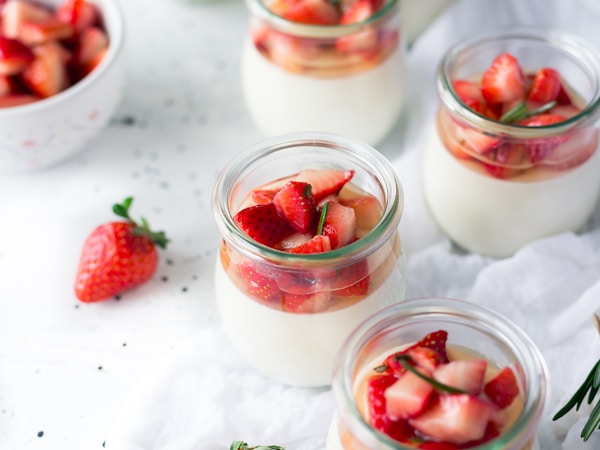
Coastal area: RoÅŸata — Caramel flan. A smooth and rich dessert similar to Japanese pudding.

Everywhere: Fritule – small fried donuts flavored with citrus zest. Of course, a sprinkle of rakija on top is the Croatian way.

10

The Philosophy of "Polaco" — Savoring it Slowly

The final secret ingredient in Croatian cuisine is "time." Three hours for a single cup of coffee, five courses for lunch—Croatians truly cherish "polako" (slowly).

Meals are not just about getting energy; they are a time for family and friends to connect, talk, laugh, and sometimes even debate.

Just like the Japanese expressions "Itadakimasu" and "Gochisousama deshita," Croatia's food culture, which expresses gratitude and meaning through meals, is sure to resonate with you.

Croatian dining scenes

🍜 Useful phrases to use at restaurants

Mogu li dobiti jelovnik? (Mogu li dobiti jelovnik) — May I have the menu?

Što preporučujete? (Što preporučujete?) — What do you recommend?

Račun, molim. (Rachun, molim) — I'd like the bill, please.

Bilo je izvrsno! (It was very delicious!)

Enjoy your meal! 🇭🇷

May the Croatian cuisine become an unforgettable memory of your trip.

Back to blog